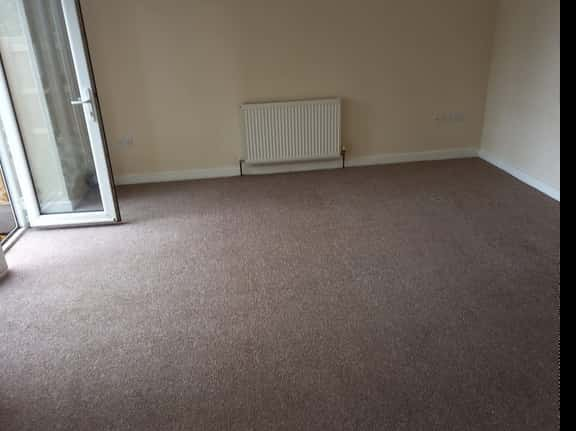
Commercial carpets experience very different conditions from carpets in quieter residential environments. Employees, customers, visitors and deliveries can create continuous foot traffic throughout the working day, bringing soil, grit, dust and other contaminants onto the carpet. Over time, these materials can become embedded deep within the fibres, particularly along frequently used routes.
For workplaces in Teynham, Kent, professional commercial carpet cleaning can help manage this gradual build-up and maintain a cleaner, more presentable working environment. Regular vacuuming remains an important part of routine maintenance, but it cannot always remove the compacted contamination that develops within heavily used carpet.
Professional cleaning provides a deeper approach by treating the carpet according to its material, condition and level of soiling. This can be particularly valuable in high-traffic workplaces where maintaining carpets requires more than responding to occasional visible stains.
How Does Professional Carpet Cleaning Help Heavily Used Commercial Carpets?
Professional commercial carpet cleaning helps remove accumulated soil and contamination that routine surface cleaning may leave behind. It can also improve the appearance of heavily trafficked areas, address individual spots and reduce the gradual dulling that occurs as dirt becomes embedded within the carpet.
The most appropriate cleaning approach depends on the carpet itself. Fibre type, construction, level of contamination, previous cleaning and individual stains all influence how the carpet should be treated.
High Foot Traffic Creates Continuous Soiling
Every person entering a workplace can bring small amounts of outside contamination onto the carpet.
Much of this material is not immediately noticeable.
Fine soil, dust and grit can gradually work down between the carpet fibres as people repeatedly walk over the same areas.
In a busy workplace, this process happens throughout the day. The carpet can therefore become substantially soiled before it begins to look obviously dirty.
Entrance Areas Usually Experience the Greatest Build-Up
The first sections of carpet inside a workplace commonly receive particularly intensive use.
People entering from outside repeatedly follow similar routes, transferring contaminants onto the same areas.
Over time, entrance carpets can become noticeably darker or duller than areas experiencing less traffic.
Professional cleaning can target these heavily used sections while also treating the surrounding carpet to maintain a more consistent overall appearance.
Corridors Develop Recognisable Traffic Lanes
Commercial carpets often show exactly where people walk most frequently.
Corridors, routes between desks and paths towards frequently used rooms can develop visible traffic lanes.
These areas may appear darker than surrounding carpet because contamination has accumulated within the fibres.
Repeated foot pressure can also change how the pile sits, which can make heavily trafficked areas look different even after soil has been removed.
Professional cleaning can address contamination, although permanent fibre wear cannot simply be cleaned away.
Carpet Cleaning and Carpet Wear Are Different
This distinction is important when assessing an older commercial carpet.
Dark traffic lanes may be caused partly by embedded soil and partly by physical wear.
Professional cleaning can remove appropriate contamination, but it cannot restore fibres that have been permanently worn or damaged.
An experienced carpet cleaner should recognise this difference rather than suggesting that every visible change can be completely removed.
This provides a more realistic understanding of what cleaning can achieve.
Embedded Grit Can Remain Below the Visible Surface
Dry soil is one of the most common forms of carpet contamination.
Small particles can settle below the upper part of the pile where ordinary visual inspection may not reveal them.
As people continue walking across the carpet, this material remains within frequently used areas.
Thorough dry soil removal before deeper cleaning is therefore an important stage in many professional carpet cleaning processes.
Regular Vacuuming Remains Essential
Professional carpet cleaning does not replace routine vacuuming.
Frequent vacuuming helps remove loose material before it becomes deeply embedded.
This is particularly important in busy commercial premises where new contamination is constantly being introduced.
However, even good routine maintenance can eventually leave behind compacted soil, individual stains and residues that require more intensive treatment.
Professional cleaning complements regular maintenance rather than replacing it.
Office Chairs Create Concentrated Wear Areas
Workstations can develop their own distinctive patterns of soiling.
Employees repeatedly move between desks, chairs and surrounding areas, concentrating foot traffic within relatively small sections.
Chairs can also influence how carpet fibres sit over time.
Professional cleaning can remove accumulated soil around these areas, helping the carpet look more consistent with less heavily used sections.
Reception Areas Need to Remain Presentable
A reception area is often one of the first internal spaces seen by visitors.
It can also be one of the busiest.
Constant movement between the entrance, reception desk and adjoining areas can quickly create visible traffic patterns.
Regular commercial carpet cleaning helps manage this accumulated soiling so that the entrance to the workplace remains presentable rather than gradually becoming dominated by darkened traffic lanes.
Meeting Areas Can Accumulate Different Types of Dirt
Not every part of a workplace experiences the same contamination.
Meeting areas may receive intermittent but concentrated use, while spaces around desks experience consistent daily traffic.
Areas where refreshments are consumed can also develop individual spills and marks.
A professional cleaning plan should recognise these differences rather than treating every section as though it has experienced identical use.
Spills Can Become More Difficult to Treat Over Time
Commercial environments frequently experience accidental spills.
Drinks, food and other substances can leave visible marks if they are not dealt with appropriately.
The type of substance matters because different stains interact with carpet fibres in different ways.
Applying an unsuitable product can sometimes spread the mark, leave residue or make subsequent professional treatment more difficult.
Where a significant stain develops, identifying what caused it can help determine the most appropriate cleaning method.
Not Every Stain Can Be Treated in the Same Way
A general-purpose approach is rarely ideal for every carpet stain.
The correct treatment depends on several factors, including:
- What caused the stain
- The carpet fibre
- How long the contamination has been present
- Whether previous cleaning products have been applied
- Whether the substance has penetrated deeper into the carpet
- Whether permanent fibre alteration has occurred
Professional assessment helps determine what can realistically be improved before treatment begins.
Cleaning Product Residue Can Attract More Soil
Repeated spot cleaning can sometimes leave cleaning agents within the carpet.
If residue remains, the treated section may begin attracting dirt more readily than the surrounding area.
This can create the impression that the original stain has returned when the new darkening is actually caused by fresh soil attaching to residue.
Professional cleaning can help address appropriate residues while treating the surrounding contamination.
Stains Can Sometimes Reappear Through Wicking
A mark may initially disappear during cleaning and then gradually return as the carpet dries.
This can occur when contamination has travelled deeper into the carpet and moisture draws some of it back towards the surface.
This process is commonly described as wicking.
It demonstrates why treating only the visible upper fibres may not always resolve a deeper spill.
Understanding the nature of the contamination helps determine the most appropriate professional approach.
High-Traffic Carpets Can Gradually Lose Their Original Appearance
Commercial carpet deterioration does not always happen dramatically.
Instead, the entire floor can gradually become duller.
Because the change happens slowly, people who use the workplace every day may not immediately notice it.
Furniture can sometimes reveal the difference. Areas beneath rarely moved items may retain a noticeably cleaner appearance compared with exposed carpet.
Professional cleaning can remove accumulated contamination and help restore greater consistency across the floor.
Clean Carpets Support a Better-Presented Workplace
Flooring occupies a large visual area within many commercial interiors.
When carpets contain prominent traffic lanes, numerous stains or widespread dullness, they can affect how the complete workplace appears.
Professional cleaning can help maintain a cleaner and more orderly presentation.
This is particularly relevant in areas regularly used by customers, visitors or employees.
Commercial Carpet Cleaning Is About More Than Appearance
Visible improvement is important, but commercial cleaning also addresses material that may not be obvious from the surface.
Fine dust, soil, fibres, hair and other debris can settle within the carpet.
Routine vacuuming removes much of the loose material, while periodic professional cleaning can provide more intensive treatment where contamination has become embedded.
This makes professional cleaning part of a broader carpet maintenance approach rather than simply a cosmetic service.
Different Carpet Fibres Need Different Treatment
Commercial carpets are manufactured from different materials and constructions.
A method suitable for one carpet may not be appropriate for another.
Before deeper cleaning begins, the carpet should be assessed so that suitable products and techniques can be selected.
This reduces unnecessary treatment and helps ensure the cleaning process is appropriate for the particular floor covering.
Previous Cleaning Should Be Considered
The history of the carpet can influence future cleaning.
Repeated use of different spot treatments may leave residues, while previous professional cleaning can provide useful information about how the carpet responds.
Where possible, understanding what has previously been applied can help inform the next treatment.
This is particularly useful when dealing with recurring stains or unusual areas of discolouration.
Heavily Soiled Areas May Need More Attention
A workplace rarely becomes dirty at exactly the same rate throughout.
Some sections may experience relatively light use, while others receive hundreds of footsteps each day.
Professional carpet cleaning can take this into account.
Heavily trafficked areas can receive appropriate attention rather than assuming every square metre of carpet has identical cleaning requirements.
Commercial Carpet Cleaning Can Help Maintain Consistency
One of the difficulties with high-traffic carpet is that heavily used areas can begin looking substantially different from quieter sections.
Professional cleaning can help reduce differences caused by soil accumulation.
The objective is to create a more consistent appearance across the workplace rather than simply treating a handful of obvious stains.
Where differences are caused by permanent wear, however, cleaning limitations should be recognised.
Cleaning Cannot Reverse Permanent Fibre Damage
This is an important practical limitation.
Carpet fibres can become crushed, worn or permanently altered through extended use.
Cleaning removes appropriate contamination; it does not replace damaged fibres.
A heavily worn traffic lane may therefore remain visually different even after thorough professional cleaning.
Realistic assessment helps distinguish removable soiling from permanent wear before the work is undertaken.
Waiting Until Carpets Look Extremely Dirty Is Not Ideal
Visible dirt represents only part of the contamination within a carpet.
By the time heavily used areas look dramatically different, substantial soil may already have accumulated within the pile.
Planned professional cleaning can address contamination before the carpet becomes excessively soiled.
The appropriate frequency depends on how the workplace is used rather than following one fixed schedule for every commercial property.
Cleaning Requirements Should Reflect Actual Foot Traffic
A quiet workspace and a heavily used workplace should not automatically follow identical maintenance patterns.
The number of people using the premises, entrance conditions, flooring type and nature of daily activities all affect how quickly carpets become soiled.
High-traffic areas may require more frequent attention than rooms used only occasionally.
Assessing actual use provides a more practical basis for planning cleaning.
Weather Can Influence Commercial Carpet Soiling
Outdoor conditions can affect what is brought inside.
During wet periods, footwear can transfer moisture and dirt onto entrance carpets.
Dry conditions can result in greater amounts of dust and fine soil being carried indoors.
Commercial carpet maintenance therefore needs to account for changing contamination rather than assuming that soiling remains identical throughout the year.
Entrance Matting Helps but Does Not Eliminate the Need for Cleaning
Suitable entrance matting can capture some contamination before it reaches the main carpet.
However, it cannot prevent every particle from being carried further into the workplace.
Busy pedestrian routes can still accumulate substantial soil over time.
Entrance protection works best as one part of a broader maintenance approach that includes routine vacuuming and periodic professional cleaning.
Furniture Can Conceal Differences in Carpet Condition
Commercial furniture often remains in fixed positions for long periods.
When desks, cabinets or other items are moved, the carpet beneath may appear noticeably different from exposed areas.
This contrast can demonstrate how much contamination and wear has developed elsewhere.
Professional cleaning can help address removable soiling, although differences caused by prolonged wear or fibre compression may remain.
Cleaning Before Rearranging a Workplace Can Be Useful
Where furniture layouts are changing, previously hidden carpet may become part of a visible walkway.
This can create obvious differences between sections of the floor.
Professional cleaning can help create a more consistent starting point when areas of carpet are being brought back into regular use.
The condition should still be assessed for permanent wear before expectations are set.
Larger Workplaces Benefit From a Planned Approach
Commercial carpet cleaning should consider how different parts of the premises are used.
Instead of treating the workplace as one identical area, it can be useful to identify:
- Entrances
- Reception spaces
- Main corridors
- Workstation areas
- Meeting spaces
- Frequently used walkways
- Areas around shared facilities
- Sections with recurring spills or stains
- Lower-traffic carpet
This helps focus attention where contamination is most concentrated.
Prompt Attention to Spills Can Help
Where a spill occurs, leaving it untreated can allow the substance to penetrate further into the carpet.
However, aggressive rubbing or repeatedly applying unsuitable products can also create problems.
Blotting appropriate fresh spills and arranging suitable treatment where necessary can be preferable to experimenting with multiple cleaning chemicals.
The carpet material and substance involved should always influence the response.
Professional Equipment Supports More Thorough Cleaning
Commercial carpets can cover substantial areas and contain deeply embedded contamination.
Professional equipment allows cleaning to be carried out systematically across the workplace.
However, equipment alone does not guarantee a good result.
Correct assessment, suitable products, appropriate preparation and controlled cleaning methods are equally important.
The process should be matched to the carpet rather than simply using the most aggressive treatment available.
Pre-Cleaning Assessment Is Important
Before professional cleaning begins, the carpet should be examined.
This can identify:
- Heavily trafficked areas
- Individual stains
- Existing fibre wear
- Areas of discolouration
- Previous spot treatments
- Different carpet types
- Furniture-related marks
- Sections requiring particular attention
This assessment helps establish an appropriate cleaning approach and realistic expectations.
Thorough Dry Soil Removal Is an Important Stage
Applying moisture before removing loose dry contamination can make the cleaning process less effective.
Where appropriate, thorough vacuuming and dry soil removal help reduce the amount of loose debris within the carpet before deeper treatment begins.
This is particularly important in commercial environments where substantial grit and dust can accumulate between fibres.
Preparation is therefore an important part of professional carpet cleaning rather than an optional extra.
Spot Treatment Should Be Targeted
Visible stains often require individual attention rather than simply increasing the intensity of cleaning across the entire carpet.
Identifying the type of mark and selecting an appropriate treatment can provide a more controlled approach.
This also helps avoid unnecessary use of stronger products on areas that do not require them.
Professional cleaning should be specific to the condition of the carpet.
Drying Is Part of the Cleaning Process
The cleaning process does not finish the moment equipment leaves the carpet.
Appropriate drying is also important.
The method used, carpet construction, level of treatment and surrounding conditions can all influence drying.
Professional cleaning should therefore control the amount of moisture used rather than unnecessarily saturating the carpet.
Over-Wetting Is Not the Same as Deeper Cleaning
Using more water does not automatically mean that more dirt will be removed.
Excessive moisture can create unnecessary complications and is not a substitute for suitable products, preparation and technique.
Effective professional carpet cleaning uses an appropriate amount of moisture for the carpet and cleaning method involved.
The objective is controlled cleaning rather than simply making the carpet as wet as possible.
Commercial Cleaning Can Support Longer-Term Carpet Maintenance
Professional cleaning works best as part of ongoing care.
Routine vacuuming removes everyday loose debris, prompt stain management addresses individual incidents, and periodic professional treatment deals with more established contamination.
Together, these measures can help prevent dirt from being allowed to build up indefinitely.
This planned approach is particularly useful in workplaces where the carpet experiences continuous daily traffic.
A Cleaner Carpet Can Make the Entire Interior Feel Better Maintained
Because carpet covers such a large surface area, improvements can affect the appearance of the complete room.
Removing dark traffic lanes, appropriate stains and general dullness can make furniture and surrounding areas appear better presented as well.
This can be particularly noticeable in commercial environments where the flooring has gradually become soiled over an extended period.
Professional Cleaning Should Focus on What the Carpet Actually Needs
Not every commercial carpet requires identical treatment.
A professional assessment considers:
- Carpet type and construction
- Level of foot traffic
- Degree of embedded soil
- Type and number of stains
- Existing fibre wear
- Previous cleaning treatments
- Overall condition
- Individual high-traffic areas
This allows the cleaning method to respond to the actual carpet rather than applying a standard treatment regardless of condition.
Professional Commercial Carpet Cleaning in Teynham, Kent
At K&S Carpet Cleaning Teynham, we understand that commercial carpets can experience substantial daily use and that different areas within the same workplace may require different levels of attention.
Our approach considers the carpet type, traffic patterns, embedded contamination, individual stains and existing wear before determining the appropriate cleaning method.
For workplaces in Teynham, Kent, professional commercial carpet cleaning can help maintain a cleaner and more presentable environment while addressing the deeper contamination that routine surface maintenance may leave behind.
Conclusion
Commercial carpet cleaning is particularly important in high-traffic workplaces because repeated footfall gradually introduces soil, grit, dust and other contaminants into the carpet. Entrance areas, corridors, workstations and frequently used walkways can become noticeably more soiled than quieter sections, creating dark traffic lanes and an inconsistent appearance.
Routine vacuuming remains essential, but it may not remove contamination that has become compacted deeper within the carpet. Professional cleaning provides an opportunity to treat this embedded soil, address appropriate stains and improve the overall consistency of heavily used flooring.
It is equally important to recognise the difference between dirt and permanent wear. Professional cleaning can remove suitable contamination, but it cannot reverse fibres that have been permanently damaged through prolonged use.
If the carpets in your workplace in Teynham, Kent are showing heavy traffic marks, embedded dirt or widespread dullness, contact K&S Carpet Cleaning Teynham. We can assess their condition and provide an appropriate commercial carpet cleaning approach based on the type of carpet and level of use.
Call us on: 01795 502 092
Click here to find out more about K&S Carpet Cleaning Teynham
Click here to complete our contact form and see how we can help with your carpet needs.